
Food Safety Audits: Where Science Meets Impact
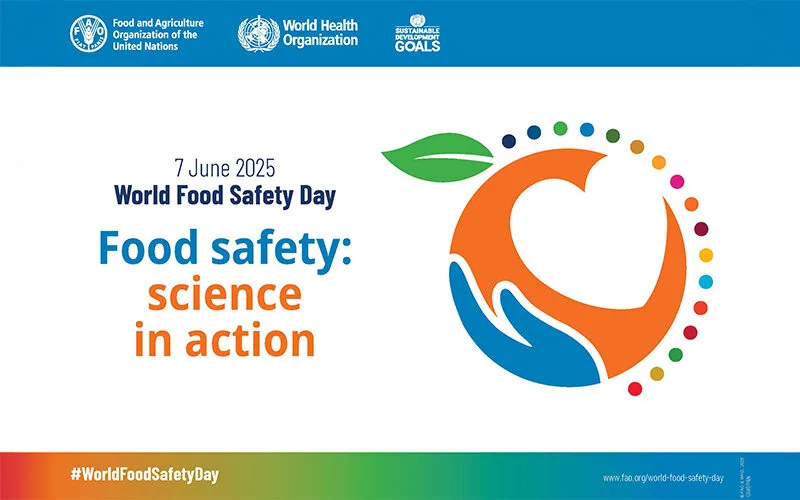
“Food Safety: Science in Action” — the theme of this year’s World Food Safety Day — couldn’t be more aligned with what we envision as the nature of auditing. Every audit, when done right, is a practical application of science: a systematic investigation grounded in data, observation, risk evaluation, and root cause thinking.
At World of Auditing, we believe and repeatedly state that to unlock the full potential of food safety audits, we must go beyond compliance checks. We must train auditors to think and act like applied scientists.
Auditing Is More Than Observation — It’s Scientific Interpretation
Audits should never be reduced to ticking boxes. At their best, they are built on a structured methodology, much like any scientific process:
- Form a hypothesis (Is this process under control? Is the risk truly mitigated?)
- Gather evidence (Review records, interview personnel, observe operations)
- Analyze variability (Look for inconsistencies, gaps, outliers)
- Draw conclusions (What is the root cause? What systemic change is needed?)
- Test outcomes (Are corrective actions working?)
This is science in action — not in a lab, but on the production floor, in supplier networks, in decision-making rooms.
Training Auditors in Scientific Thinking
In our work, we’ve seen auditors trained in scientific literacy understand the why, ask better questions, listen more effectively, and challenge more constructively. That’s the reason why we believe auditor training programs should focus on:
- Risk-based thinking: Not all non-conformities carry the same weight; auditors must prioritize what truly matters for food safety.
- Understanding the science behind control measures: From microbiological principles to process controls and hygienic engineering, auditors need to grasp how systems work to evaluate if they’re working to deliver safe food.
- Behavioral insight: Systems often break down not due to process gaps, but because of human behavior. Auditors must be able to read between the lines; understanding the science behind behaviors is essential to identifying cultural weaknesses that undermine food safety.
Scientific training doesn’t mean turning auditors into pure technologists but enabling them to connect science with practical reality.
From Findings to Fixes: Turning Data into Decisions
The disconnect between data and action is one of the most significant gaps in many food safety systems. Auditors, including the site’s internal auditors and other associates, when trained in scientific reasoning, become instrumental in closing this gap.
They :
- Recognize patterns and trends rather than isolated incidents
- Verify the effectiveness of corrective actions instead of accepting documentation at face value
- Identify systemic weaknesses that could lead to future failures
In other words, they help organizations not just react but learn and evolve. This is what drives a mature food safety culture.
Let’s Rethink the Role of Auditors
On this World Food Safety Day, let’s reframe auditing from a backward-looking activity to a forward-driving force that connects science, systems, and people.
If we want food safety auditing to be resilient, innovative, and fit for the future, we must invest in auditors who:
- Think critically
- Apply science responsibly
- Communicate effectively
- And above all, never stop learning
When audits are rooted in science and used to drive real understanding and improvement, they engage every function, making food safety not just a technical issue but a shared responsibility across the organization.