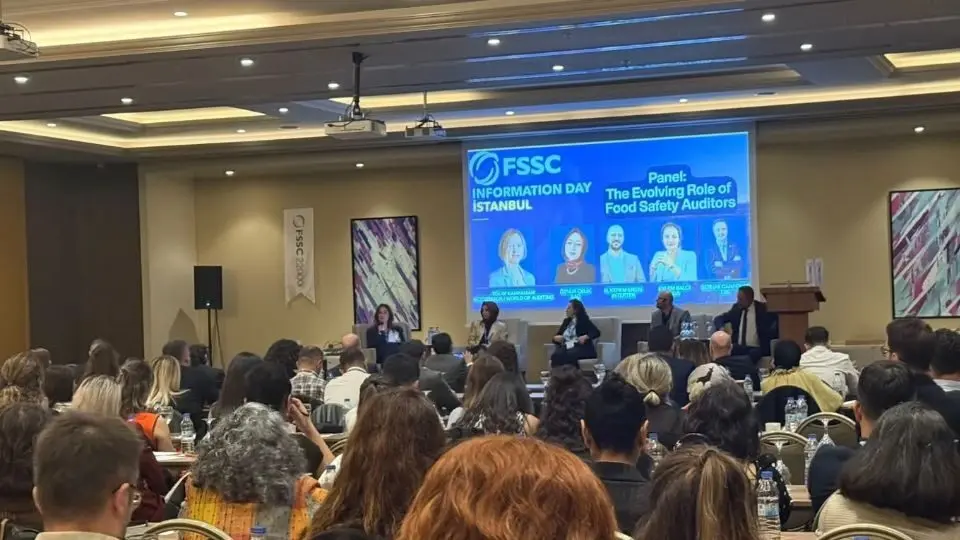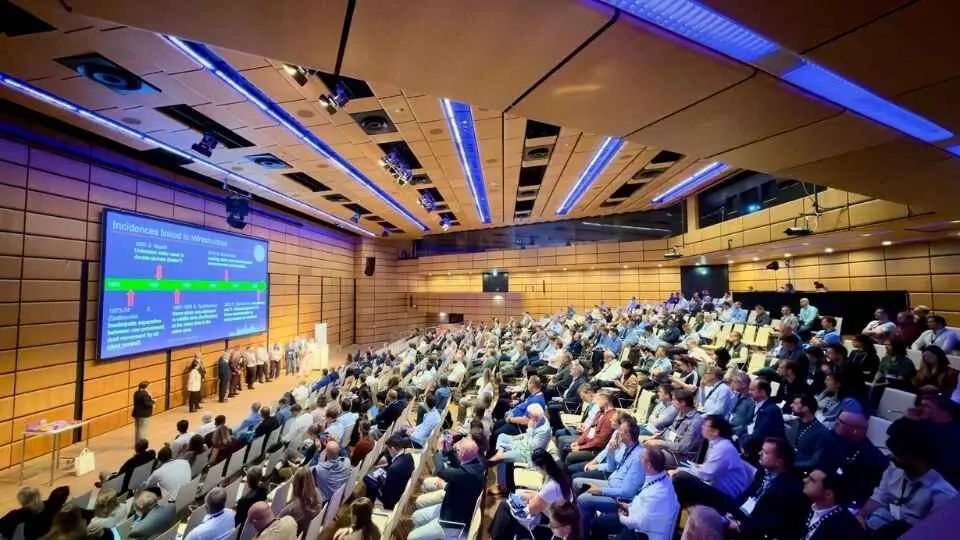
Last week, World of Auditing had the privilege of participating in a regional workshop jointly organized by the United Nations Industrial Development Organization (UNIDO), the Standards and Trade Development Facility (STDF), and the Australian Department of Agriculture, Fisheries and Forestry, and graciously hosted by the Philippines, an ASEAN Member State.
The workshop brought together around 40 delegates from 11 ASEAN Member States, alongside representatives from UNIDO and the ASEAN Secretariat, with a shared objective: to validate the Remote Audit and Inspection Guidelines for the ASEAN Region. As World of Auditing, we were pleased to contribute by delivering a training session on auditing standards and remote audit requirements and co-moderating some of the technical sessions.
Since COVID, remote tools have been used more frequently in inspections and audits, sometimes as a complement to on-site activities, sometimes as the preferred option for low-risk operations and short, focused inspections, and sometimes as the only choice in challenging circumstances.
One of the strongest takeaways from the workshop was how much the technological landscape has evolved and what this now enables in remote auditing.
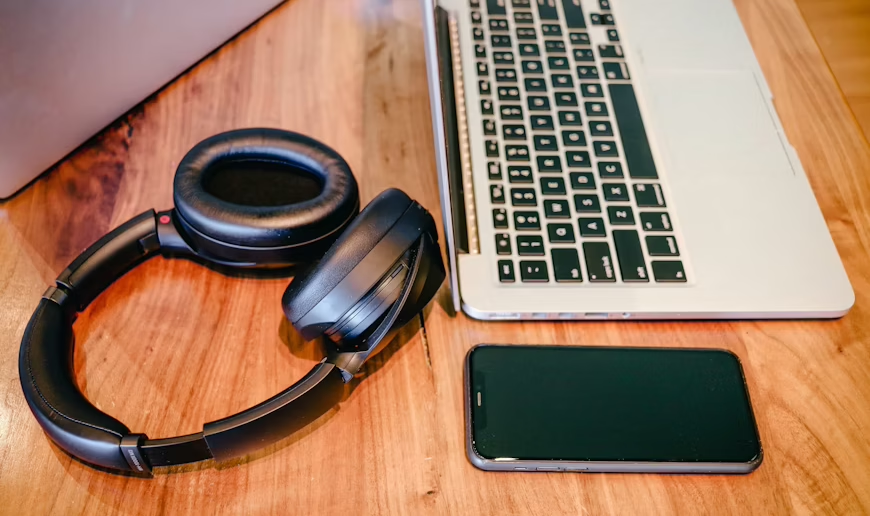
Remote audits include, but are no longer limited to, document reviews exchanged by email. Today, auditors and inspectors can leverage a broad ecosystem of tools, including
- secure shared platforms for structured document review and evidence exchange;
- live conferencing tools enabling real-time interviews, observations, and clarification;
- real-time video walkthroughs from which photos can be captured instantly;
- geo-stamped and time-stamped images and videos that strengthen traceability and credibility of evidence;
- auditor-enabled tagging, labeling, and bookmarking of proof during the assessment;
- and advanced visual tools such as 360° cameras and drones, allowing access to areas that may be difficult, restricted, or unsafe to reach physically.
When used thoughtfully, these technologies enable auditors to observe processes, verify controls, and assess system implementation with greater focus than is often possible during time-pressured on-site visits.
For us, the true value of remote audits lies not in replacing on-site assessments, particularly with high-risk and complex operations, but in enhancing them. Remote audits are particularly effective for a deeper evaluation of the foundations of food safety systems, including HACCP, internal audits, corrective and preventive actions (CAPA), management oversight, and overall system maturity. They support stronger risk understanding, sharper scope definition, and more precise identification of focus areas when an on-site assessment is required.
While there are clear economic and logistical benefits, especially when travel is involved, the real gain lies in how remote audits enable a more focused, risk-based, and value-driven approach, ultimately improving the quality of insights and the effectiveness of on-site assessments.
Remote audits, when strategically designed and enabled by technology, shift auditing from a moment-in-time activity to a continuous, insight-driven process. This evolution creates a clear opportunity: to move beyond presence toward understanding, beyond coverage toward focus, and beyond compliance toward meaningful assurance.
We would like to extend our sincere appreciation to UNIDO, the ASEAN Secretariat, STDF, the Australian Department of Agriculture, Fisheries, and Forestry, ASEAN Member States, and, in particular, the Philippines, for their dedication and commitment in hosting this event.
We wish the ASEAN region continued success as it advances and enriches its assessments and inspections through its evolving remote audit and inspection journey.